
Food for thought

I love questions that open possibilities: why is the message not getting across? How do we give an idea shape? What could free up our time? Here I share thoughts and tools on websites, content, marketing and automations — so you can take one idea and start doing something with it.

case study background img

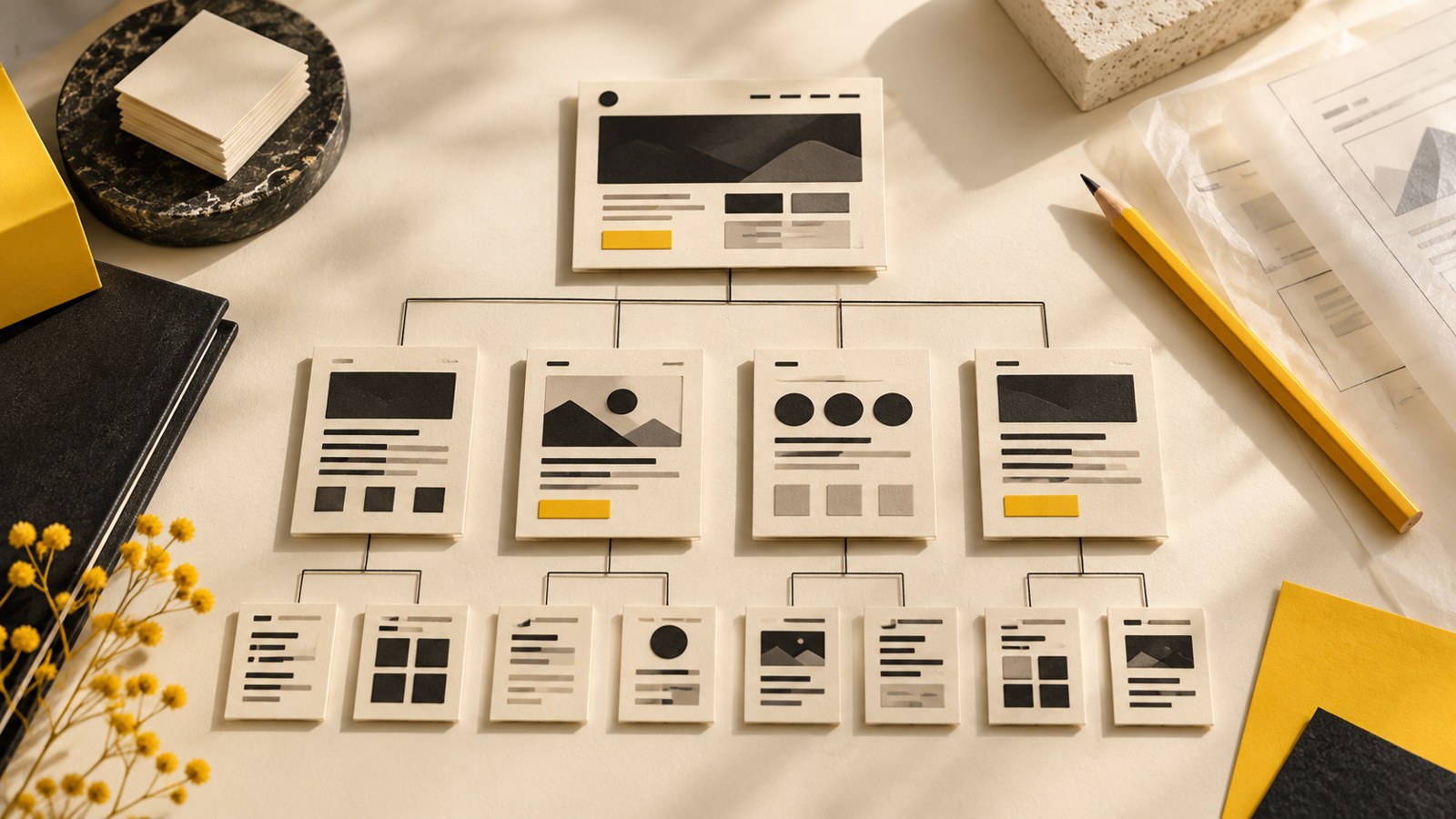
Planning a Business Website: Eight Questions Before Building

Before choosing colours, images or a template, define what the website should do for your business. Clear planning connects the audience, offer and content and gives every page a purpose.

You do not need to start with a complicated document. Begin with short answers to these questions, then use them to plan the structure, messages and contact options.

What should your website plan define?

  • What is the main goal? Enquiries, orders, registration and sharing information need different journeys. Choose a primary action for each page.
  • Who is the website for? Define the audience and the question bringing them there. Write for them, not only from the business’s perspective.
  • What exactly does the business offer? Present services clearly, explaining who they suit and what the process includes.
  • Why choose this business? Use advantages you can show and explain. Experience, a working process or a specialism are more useful than general superlatives.
  • What information is needed before getting in touch? Look at recurring customer questions and decide where to answer them on the website.
  • What is the next step? Define a call to action, a short form or a convenient contact option. Explain what happens after the enquiry.
  • What happens to the enquiry? Decide who receives it, where it is saved and how follow-up is tracked. The website should connect with the work that follows it.
  • How will we know the website helps? Choose measures suited to the goal, such as relevant enquiries or orders, and review them alongside the quality of conversations and the process.

Before the Campaign: Defining a Clear Marketing Message

A campaign starts long before the ad. A clear message requires understanding who you address, what you offer and which decision you want to help people make. Even good design cannot easily compensate for an unclear offer.

Start with customer conversations and the questions asked before purchasing. Translate your business knowledge into language the audience understands, then maintain that direction in the ad, website and conversation.

Eight points for building your message

  • Define a specific audience. Instead of speaking to everyone, choose people whose needs your offer fits.
  • Describe the need in the audience’s words. Recurring questions can show what needs explaining.
  • Present one main offer. Explain what people receive, who it suits and what the process includes.
  • Choose an advantage you can demonstrate. Explaining how you work is more useful than a general promise to be the best.
  • Address a real concern. Uncertainty about the process, price or suitability may leave an unanswered question.
  • Connect the ad and landing page. People who click should see the same offer in similar language.
  • Define a simple next step. Explain what to do now and what happens after submitting details.
  • Test and improve. Review audience responses and enquiry quality, changing one defined element at a time to learn what helps.

Business Automation: Choosing Your First Process

When many tasks repeat, it is tempting to connect everything at once. Start with one process that has a clear beginning, desired outcome and responsible person. This helps you see whether the automation actually helps.

Before choosing a tool, map the work as it happens today. Identify consistent stages, where judgement is needed and what should happen if there is an error or missing information.

What should you check before starting?

  • Choose a recurring task, such as collecting enquiries in one place or creating a follow-up reminder.
  • Define the triggering event. A submitted form, incoming order or status change should be clearly specified.
  • Describe the desired outcome. Decide what information is saved, who is notified and what should happen at the end.
  • Check data quality. Missing or duplicate information needs attention even when the stages are automated.
  • Leave room for human review. Complex decisions and exceptions should reach the appropriate person.
  • Plan error handling. Define how failures are detected, who handles them and how to continue without losing the enquiry.
  • Test different cases before going live. Try a normal process, missing information and a duplicate enquiry to understand the behaviour.
  • Measure the actual contribution. Compare handling time, manual actions and tracking quality before and after.

Writing Website Content: Helping People Understand and Choose

Website content should help people understand the business, whether the offer suits them and how to proceed. Start with audience questions and the role of each page.

Every area does not need a long text. Sometimes a precise headline, a short explanation and a clear next step do the job. Details should appear where they contribute to a decision.

Eight principles for clear writing

  • Define each page’s role. The homepage establishes direction, a service page explains an offer and the contact page helps start a conversation.
  • Lead with what matters. Clearly state what the business offers and who it serves before the background story.
  • Use familiar words. Explain professional terms when they are needed to understand the service.
  • Organise content around questions. Headings such as who it suits and what the process includes help people find information.
  • Describe a real process. Explain the stages and what the client needs to provide, without making unsupported promises.
  • Give calls to action context. Explain what happens after an enquiry alongside the button.
  • Read it aloud. A sentence that is hard to say in one breath may need shortening or splitting.
  • Update it using real conversations. If a question keeps coming up after people read the website, check whether the answer is missing or unclear.

What Happens After the Form? A Clear Process for Handling Enquiries

Leaving contact details on a website is the beginning of a relationship. To turn an enquiry into a useful conversation, you need to know who handles it, what information is needed and what comes next. A clear process helps both the customer and the business.

Review the journey from form submission to resolution. Not every stage needs a new system: sometimes centralised information, clear ownership and a reliable reminder are enough to get started.

Eight stages worth defining

  • Ask only for information you need at the start. A short, clear form can be enough to identify the enquiry and continue the conversation.
  • Confirm that the enquiry was received. Explain the next step without promising a response time the business cannot meet.
  • Keep enquiries in an agreed place. Avoid leaving some in an inbox and others in messages without tracking them.
  • Assign an owner. Every enquiry needs someone who knows they are responsible for it.
  • Define simple statuses. For example: new, contacted, proposal sent and closed. Use only statuses that help you work.
  • Record what comes next. A brief conversation summary and next action will help you return to an enquiry with the right context.
  • Use reminders instead of relying on memory. Decide when to follow up with someone who requested a conversation or proposal.
  • Learn from enquiries. Review recurring questions, where suitable enquiries come from and what your website should explain.

A Business Content Plan: Start with Your Audience’s Questions

A content plan helps you choose what to talk about, in what order and for what purpose. It does not have to be a packed publishing calendar. Start with a few questions your audience asks and a pace you can maintain.

When content connects to your offer and the way customers make decisions, it is easier to choose topics and understand each post’s role. Your plan should also leave room for new questions from real conversations.

How do you build a plan you can put into practice?

  • Collect questions from conversations. Write down what people want to know before working with you and what they are unsure about.
  • Group the topics. For example: introducing the service, explaining the process and answering common questions.
  • Connect each topic to a goal. Decide whether a post should explain, help people compare or invite a conversation.
  • Choose channels around your audience. Focus on places where it makes sense to reach them and formats that suit you.
  • Set a realistic pace. A plan you can sustain is more useful than a calendar that does not fit your resources.
  • Use an idea in several forms. An article can become a short explanation or an answer to a question, adapted to each channel.
  • Plan a next step where one is needed. Not every post needs to sell, but understand how it connects to your business journey.
  • Review what helps your audience. Look at questions, conversations and enquiries alongside reach, and adjust the plan accordingly.